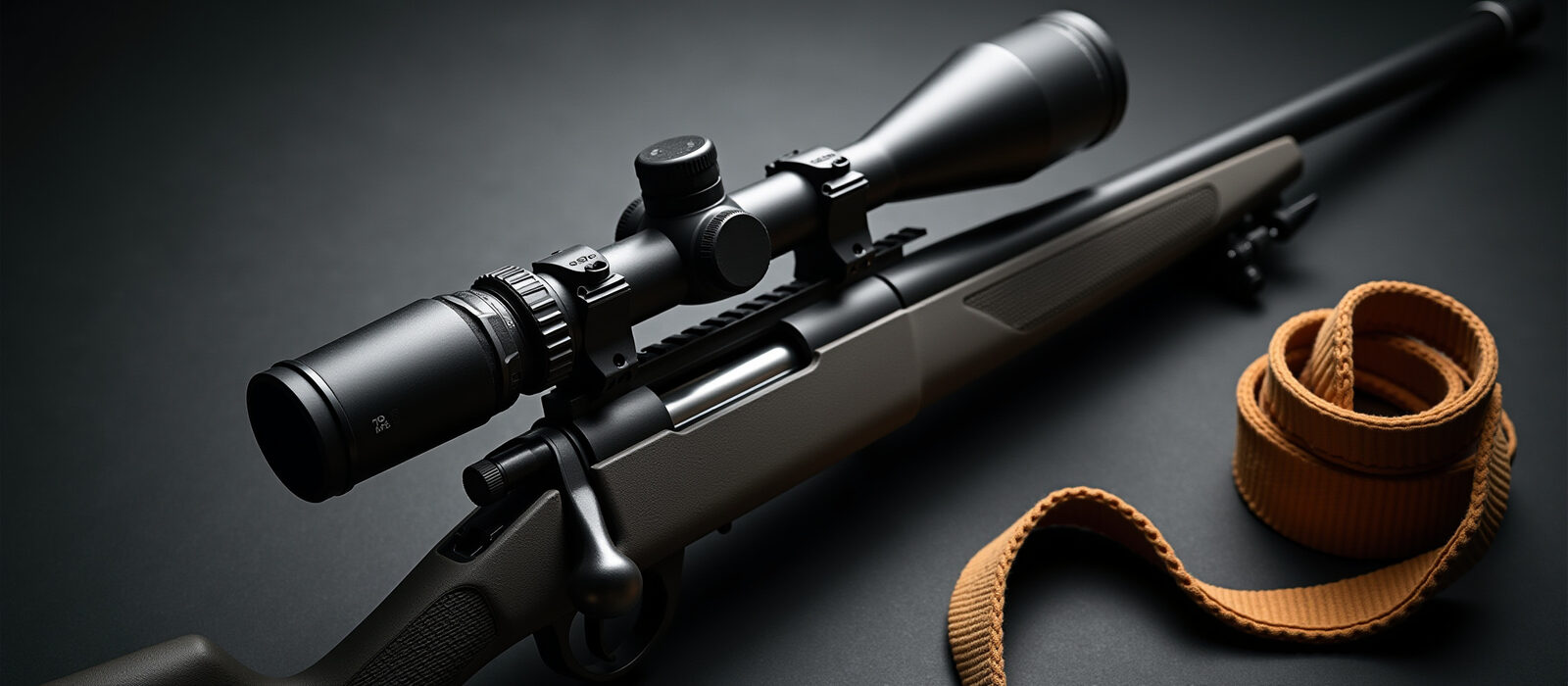
Coyote Hunting at Night: How to Pick a Thermal Scope or Night Vision Scope This Fall

LEGAL DISCLAIMER: IMPORTANT NOTICE
This article provides only general and high-level explanations regarding nighttime hunting, firearm optics, thermal imaging, night vision, and related equipment. It is provided for educational purposes only and must not be relied upon as legal advice, hunting advice, firearms instruction, or professional guidance. Laws governing coyote hunting, nighttime hunting, thermal scopes, night vision scopes, firearm use, and laser devices may vary by federal, state, county, and local jurisdiction and may change over time. You should not rely on this content to determine whether a particular activity or product is lawful for your circumstances. AnyTime Optics strongly encourages you to review current regulations and seek advice from qualified local authorities and professional legal counsel before hunting or using any optic. You are responsible for understanding and complying with all laws, safety requirements, landowner permissions, and ethical hunting standards applicable to you.
As fall turns toward winter, cooler nights and changing cover may create new opportunities for predator hunters. Coyotes may become more active after dark, and many hunters begin comparing thermal scopes and night vision scopes for nighttime stands.
Generally speaking, the right choice depends on what you need to notice, how much ambient light you expect, your typical terrain, and your budget. Having said that, your equipment is only one part of a responsible setup. You should always confirm the target, backdrop, season dates, and local regulations before using any firearm or optic.
Thermal Scope or Night Vision Scope?
Thermal imaging and night vision produce different kinds of images.
A thermal scope detects differences in infrared energy and displays heat contrast. A coyote may stand out against cooler ground, vegetation, or a dark field, even when visible light is limited. Thermal may be especially useful when you are scanning broad areas or watching the edges of brush and open ground.
A night vision scope uses available light, usually through a digital sensor, and may also use an infrared illuminator. The resulting image can look more familiar, with greater visual detail in some conditions. This may help you recognize terrain features, branches, and other visible objects when the scene provides enough light.
Neither system is automatically ideal for every hunter. Consider these general differences:
- Thermal scopes: Often provide fast heat-based detection in darkness and may remain useful when ambient light is limited.
- Night vision scopes: May provide a more recognizable scene view when moonlight or infrared illumination is available.
- Thermal scopes: Can help you notice a warm animal against a cooler background, but they do not provide x-ray vision and may not identify every object with certainty.
- Night vision scopes: May be affected by heavy fog, rain, reflective vegetation, or insufficient illumination.
- Both systems: Require practice, responsible target identification, and careful attention to local laws.
For many fall and winter predator hunters, thermal is attractive because it may help with detection during moonless nights and changing weather. If you hunt mostly in open terrain and want a familiar visual scene at a lower entry cost, a digital night vision scope may be worth considering.
You can review AnyTime Optics’ plain-English thermal versus night vision guide for a broader explanation of how the technologies differ.
Why Compact Thermal Scopes Matter Between Stands
A compact thermal scope may be a practical choice when your hunt involves walking, changing stands, or carrying several pieces of gear.
A large optic may offer more lens size, magnification, or detection distance, but it may also add weight and bulk to your rifle. When you are moving through fields, fence lines, or wooded edges, the complete setup matters. The optic, mount, battery, and accessories all affect balance and handling.
A compact design may help you:
- Carry your rifle more comfortably between stands.
- Scan an area without building an unnecessarily heavy setup.
- Keep the rifle balanced when transitioning between observation and aiming.
- Use the optic on more than one compatible platform, depending on its design.
- Maintain room for other equipment, such as a handheld scanner or daylight optic.

The HYDRA line from AnyTime Optics is designed as a multi-function thermal platform, with selected models intended for use as a scope, clip-on, or handheld device. Its flexibility may appeal to hunters who want one thermal system that can support different observation roles.
Having said that, “compact” does not automatically mean “best.” A smaller optic may have a shorter detection range, narrower adjustment range, or less detail at higher digital magnification than a larger premium model. You should compare the optic’s sensor, lens, field of view, battery system, controls, and expected shooting distance rather than relying on size alone.
The AnyTime Optics compact thermal scope guide provides additional buying considerations, and much, much more.
When Is a Laser Rangefinder Scope Worth It?
A laser rangefinder scope (LRF) combines an optic with a laser device that may provide a distance reading to a selected object. Some advanced systems also include a ballistic calculator (BC), which may use entered ammunition and rifle information to help display a calculated aiming reference.
An integrated LRF may be worth considering when:
- You regularly hunt across open fields or pastures.
- Your typical distances vary from stand to stand.
- You want to range a target without reaching for a separate handheld device.
- You value a compact, all-in-one rifle optics setup.
- You are prepared to spend time learning the controls and verifying the system’s readings.
The main benefit is convenience. You may be able to remain behind the optic while obtaining a distance reading, rather than shifting between a handheld rangefinder and your rifle. That may be useful when conditions change quickly.

AnyTime Optics’ ThermNight line combines thermal and night vision capabilities, with selected models offering an integrated laser rangefinder and ballistic calculator. The ThermNight lineup includes compact fused systems intended for hunters and other optics users who want multiple viewing modes in one unit.
Generally speaking, an integrated LRF may add cost, weight, power requirements, and menu complexity. A handheld rangefinder may be a more flexible option if you use several rifles or want the ability to replace the rangefinder independently. You should also understand that no digital calculation removes the need for responsible target identification, confirmed equipment data, practice, and compliance with applicable laws.
Do not rely on this article as legal advice regarding laser devices or nighttime hunting. You should seek professional legal counsel and verify current regulations in your area before selecting or using an LRF-equipped optic.
Budget Thermal Scope Considerations
Thermal optics generally cost more than entry-level digital night vision because they require specialized sensors and image-processing hardware. Still, the market now includes a wider range of thermal products than many hunters may expect.
AnyTime Optics offers options ranging from budget-conscious compact systems to premium thermal and fused optics. Depending on configuration and current pricing, the company’s featured products generally fall in an approximate range of $599 to $2,843, although prices and availability may change.
AnyTime Optics also highlights a day scope with night vision around $400, offering a lower-cost way to extend a familiar daytime setup into low-light use. A product at this price point may make sense if you have realistic expectations, hunt where some ambient light or infrared illumination is available, and do not require the detection performance of a higher-end thermal scope.
When comparing a budget thermal scope, pay attention to:
- Sensor resolution: More resolution may provide a clearer image, but the number alone does not tell you everything about field performance.
- Lens size and field of view: A wider view may help with scanning closer terrain, while a larger lens may support greater reach.
- Refresh rate and image delay: Smooth motion may matter when observing or tracking a moving animal.
- Battery life: Cold weather can affect battery performance, so power management may be important during long stands.
- Controls: Buttons and menus should be understandable in low light and with gloves.
- Mounting flexibility: A compact system that can serve as a scope, clip-on, or handheld may offer more value for some users.
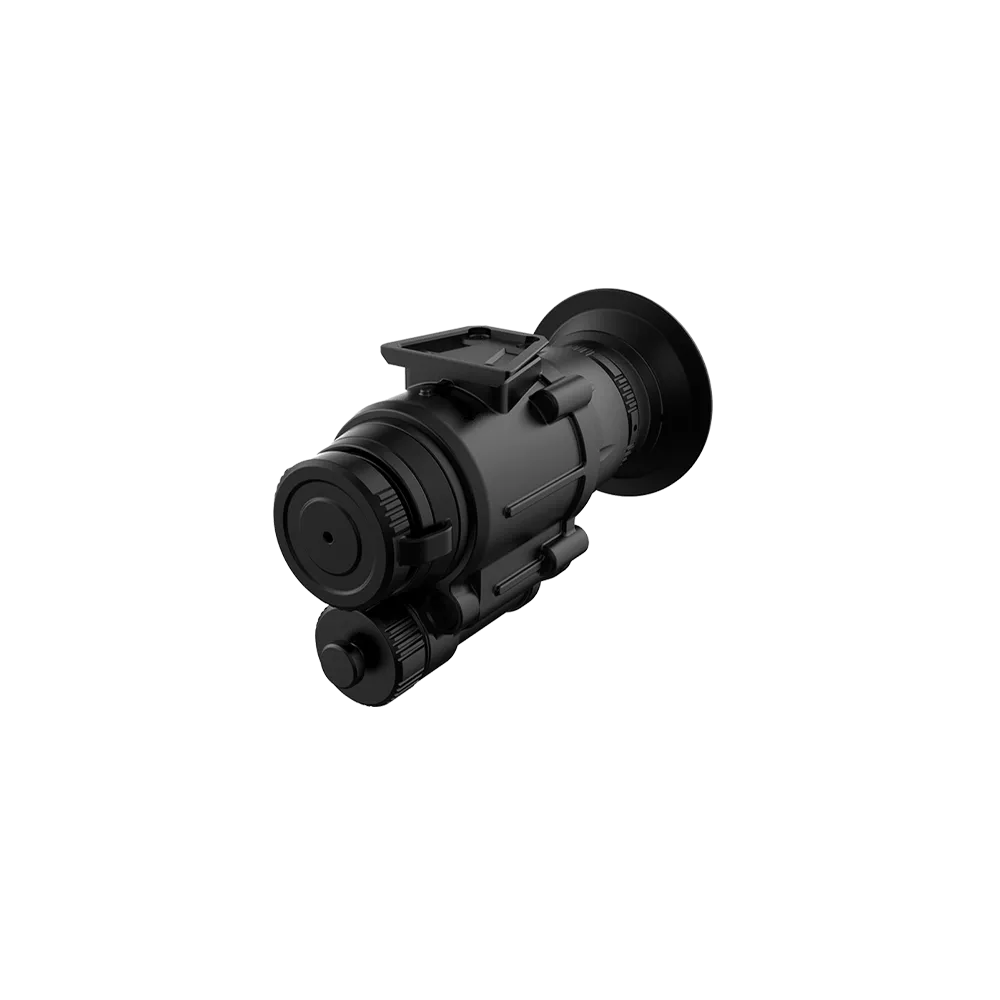
The INFITAC lineup includes compact thermal sights, digital night vision products, and other small-format optics. The INFITAC thermal sight lineup may be useful if you are comparing compact thermal systems, while the INFITAC night vision options provide another route for low-light viewing.
A budget optic may offer a sensible entry point, but you should not expect every feature found in premium equipment. You may need to accept trade-offs involving image detail, detection range, battery capacity, recording functions, or integrated ranging, and much, much more.
A Practical Fall Buying Checklist
Before choosing your nighttime hunting optics, consider the following questions:
What is your typical terrain?
Open fields may favor detection range and an integrated LRF. Dense timber or brushy edges may favor a wider field of view and a compact setup that is easier to manage.
How far do you generally observe?
Choose a scope based on the distances you actually expect, rather than the maximum advertised magnification. Excessive digital zoom may reduce image quality, depending on the system.
Do you need thermal, night vision, or both?
Thermal may be useful when heat contrast and detection are your priorities. Night vision may be suitable when you want visible scene detail and have ambient light or a compatible IR illuminator. A fused ThermNight optic may make sense when conditions change and you want multiple viewing modes.
Will you be walking between stands?
If mobility matters, compare the weight and balance of the entire setup. A compact thermal scope may reduce fatigue and keep your rifle easier to carry.
Are you prepared to learn the system?
Modern rifle optics may include digital zoom, recording, multiple palettes, LRF controls, ballistic settings, and more. You should spend time understanding your equipment in a safe and lawful setting before relying on it in the field.
Final Thoughts
For many fall and winter predator hunters, a thermal scope offers a strong combination of nighttime detection and weather flexibility. A night vision scope may remain a practical choice when you prioritize scene detail, have usable ambient light, or need to stay within a lower budget.
A compact thermal scope may be especially appealing if you move between stands and want a lighter, more flexible setup. An integrated laser rangefinder scope may be worth the additional investment when you regularly need distance information across open terrain and prefer an all-in-one optic.
AnyTime Optics offers HYDRA thermal systems, INFITAC compact optics, ThermNight fused thermal and night vision products, and budget-friendly low-light options. You can browse the current product lineup or contact AnyTime Optics with questions about your platform, terrain, and intended use.
FINAL LEGAL REMINDER: This article contains only general and high-level explanations and is not legal advice. You should not rely on it to determine whether nighttime coyote hunting, thermal scopes, night vision scopes, laser rangefinder scopes, or any related equipment are lawful for you. Regulations may change and may differ by location. You are responsible for confirming current requirements and should seek professional legal counsel and guidance from appropriate local authorities before hunting or using any firearm optics.