How to Build a Custom Hunting Rifle: What an FFL Class 7 Shop Wants You to Know

Legal disclaimer: This article provides only general and high-level explanations for educational purposes. It is not legal advice, gunsmithing instruction, or a substitute for guidance from a qualified firearms attorney, licensed professional, or relevant government agency. Firearms laws and hunting regulations may vary by federal, state, and local jurisdiction and may change over time. You are responsible for verifying what is lawful for you and your specific firearm, location, and intended use before making decisions. Do not rely on this content as legal advice. Always seek the advice of a qualified professional before acting on any information in this article, and much, much more depends on the specific laws in your area.
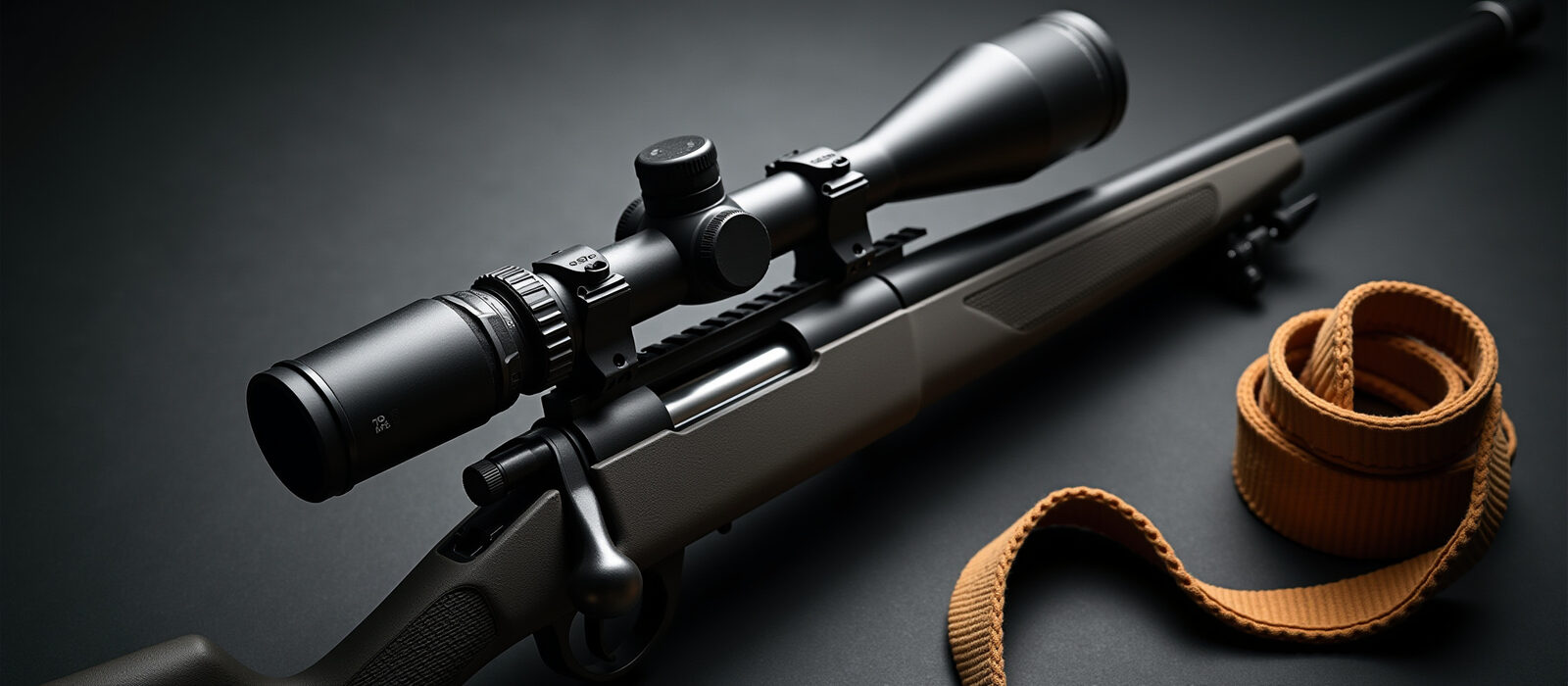
A custom hunting rifle should fit the way you hunt, not just look good in a parts list. Before you choose components, consider where you’ll carry it, what conditions you expect, and how the complete rifle will feel when you bring it into position.
At AnyTime Optics, our FFL (Federal Firearms License) Type 07 capability supports customized firearms as well as our optics work. Here’s how a qualified builder may help you turn a hunting goal into a thoughtful, well-matched setup.
What an FFL Class 7 Shop Can Do
A Type 07 FFL is a manufacturer’s license for firearms other than destructive devices. In general, it allows a properly licensed business to manufacture firearms, and it may also authorize gunsmithing and other licensed activities subject to applicable requirements. That can include assembling or customizing a firearm, maintaining required records, and handling certain transfers through the appropriate process.
The distinction between gunsmithing and manufacturing may depend on the purpose of the work and who owns or supplies the firearm. For example, modifying a customer-owned firearm for that customer may be treated differently from building a firearm for sale. Having said that, details matter, and a license does not remove other legal obligations.
NFA (National Firearms Act) items require particular care. A Type 07 license alone does not automatically authorize every NFA-related activity. Additional qualifications, registrations, tax status, approvals, and transfer steps may apply. If a proposed configuration involves an NFA item, you and your builder should verify the requirements before work begins.
You can review general federal licensing information through the ATF’s Federal Firearms Licenses page. This summary is only general and high-level; it is not legal advice. Do not rely on it to determine whether a specific firearm or transfer is lawful for you. Consult a firearms attorney or the appropriate authorities about your circumstances.
Start with Your Hunt
Before discussing components, describe the job. Will you carry the rifle over steep ground, move between stands, hunt in thick cover, or spend time watching open country? Think about the game, likely distances, weather, legal hunting rules, and how much weight you are comfortable carrying.
Generally speaking, a rifle for long hikes may call for a lighter overall setup, while a rifle used mostly from a fixed position may allow more weight in the stock, barrel, or optic. The goal is not to build the lightest or most elaborate rifle. It is to choose a system you can carry, shoulder, and use consistently in the conditions you expect.
Choose the Main Components as a System
Cartridge, barrel, and twist
Choose a cartridge around the game and conditions you expect, with attention to recoil, ammunition availability, and the rifle’s intended role. Cartridge choice influences the action, barrel, ammunition compatibility, and overall rifle balance, so it is worth discussing before parts are ordered.
Barrel length involves tradeoffs: a longer barrel may suit some cartridges and priorities, while a shorter one may be easier to carry. Barrel contour also affects weight, heat handling, and balance. Twist rate should be matched to the specific bullet types you plan to use; your builder can help assess compatibility rather than relying on a general rule based on caliber alone.
Action, trigger, and fit
The action needs to suit the cartridge and the rifle’s intended use. A trigger should feel predictable to you, and any selection or adjustment should be handled with safety and applicable requirements in mind. Stock or chassis ergonomics also matter: length of pull, cheek support, grip, and how comfortably you can reach controls may all affect fit.
Ask to evaluate the rifle in a safe setting and in the clothing you expect to wear. A setup that feels comfortable in a T-shirt may feel different in a jacket or pack.
Weight, balance, and a suppressor
Consider the weight of the complete rifle, not just the bare firearm. A heavy optic or front-end accessory can change how the rifle carries and settles when you shoulder it. If you move between stands or cover uneven ground, balance may matter as much as the number on a scale.
If you are considering a suppressor, discuss its compatibility, added length and weight, and any applicable legal requirements before finalizing the build. The suppressor can affect handling and may influence other choices, including barrel length and mounting. Specific fit and legal questions should be reviewed with a qualified professional.
Choose Optics Before Finalizing the Mount
Optics can change the way a rifle balances and fits your face, so choose the viewing system early enough to plan the rail, rings, and mount height together. The right rifle optics depend on your use and the conditions you expect, not simply the highest magnification or most features.
A traditional magnified hunting optic may suit a daylight-focused setup where a familiar sight picture and appropriate magnification are the priority. A red dot sight for rifle use may make sense for a different role where a simple, quick-to-acquire aiming point is preferred. Each option calls for a mount and position that work with your rifle and shooting posture.
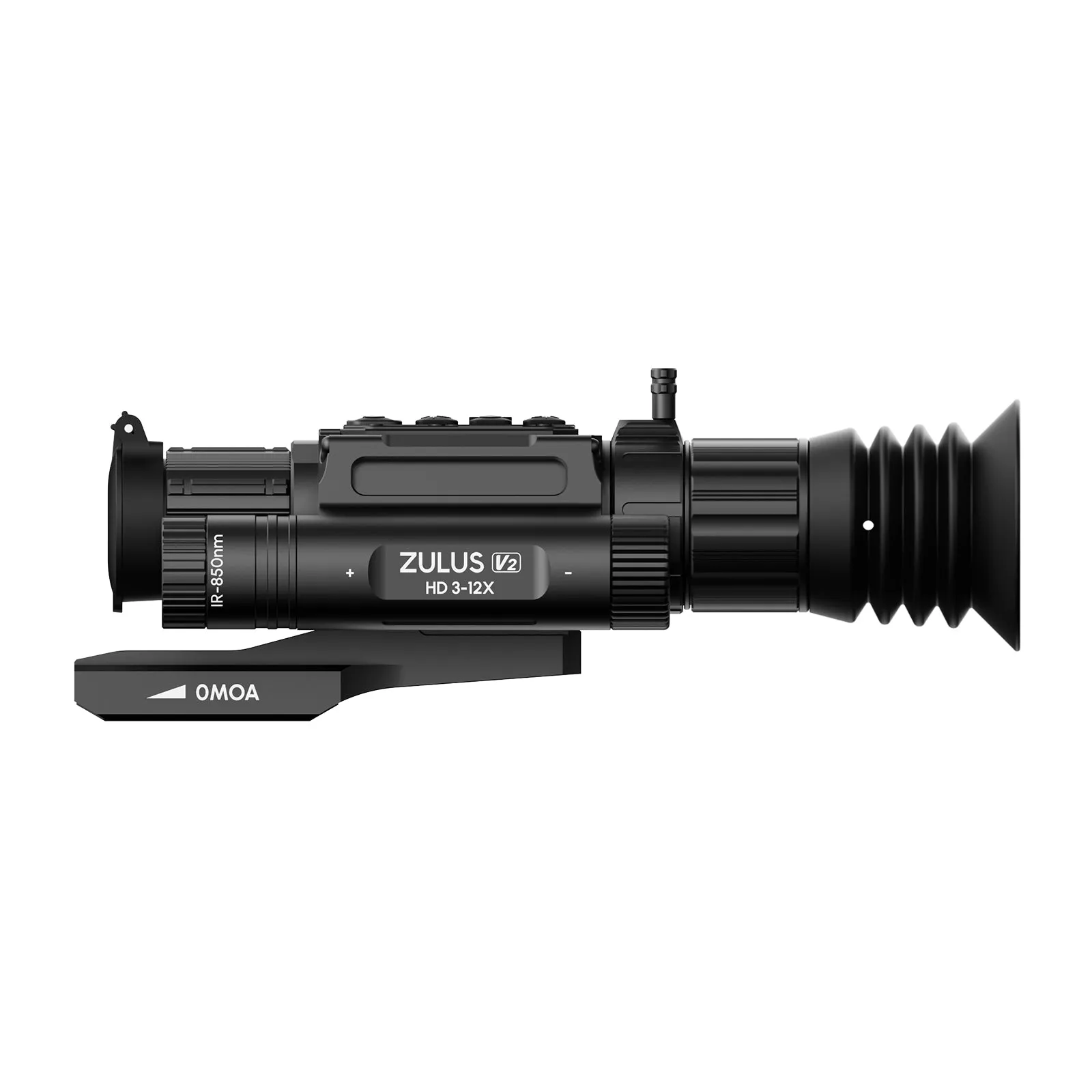
A day night scope may appeal if you want an option designed for changing light. A thermal scope forms an image from heat differences, while night vision uses available light, sometimes with infrared illumination. A compact thermal scope may help keep the overall package manageable, but size alone does not tell you whether its features suit your intended distance and terrain.
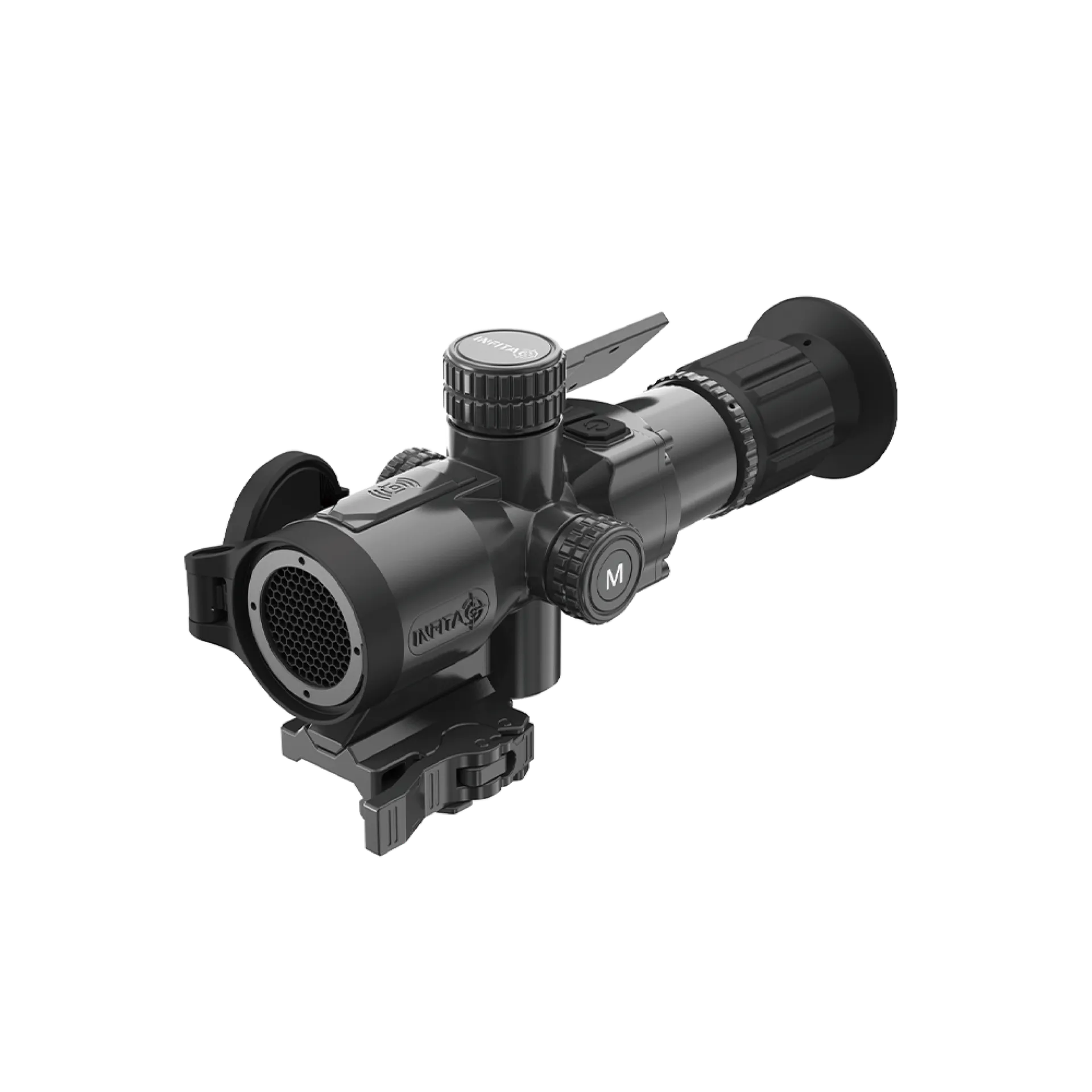
An integrated laser rangefinder scope may earn its place if having ranging capability within the optic fits your needs and workflow. Integrated features can add convenience, but may also affect cost, weight, controls, and setup. AnyTime Optics offers compact thermal options, including HYDRA and INFITAC products; we specialize in some of the smallest compact thermal scopes on the market.
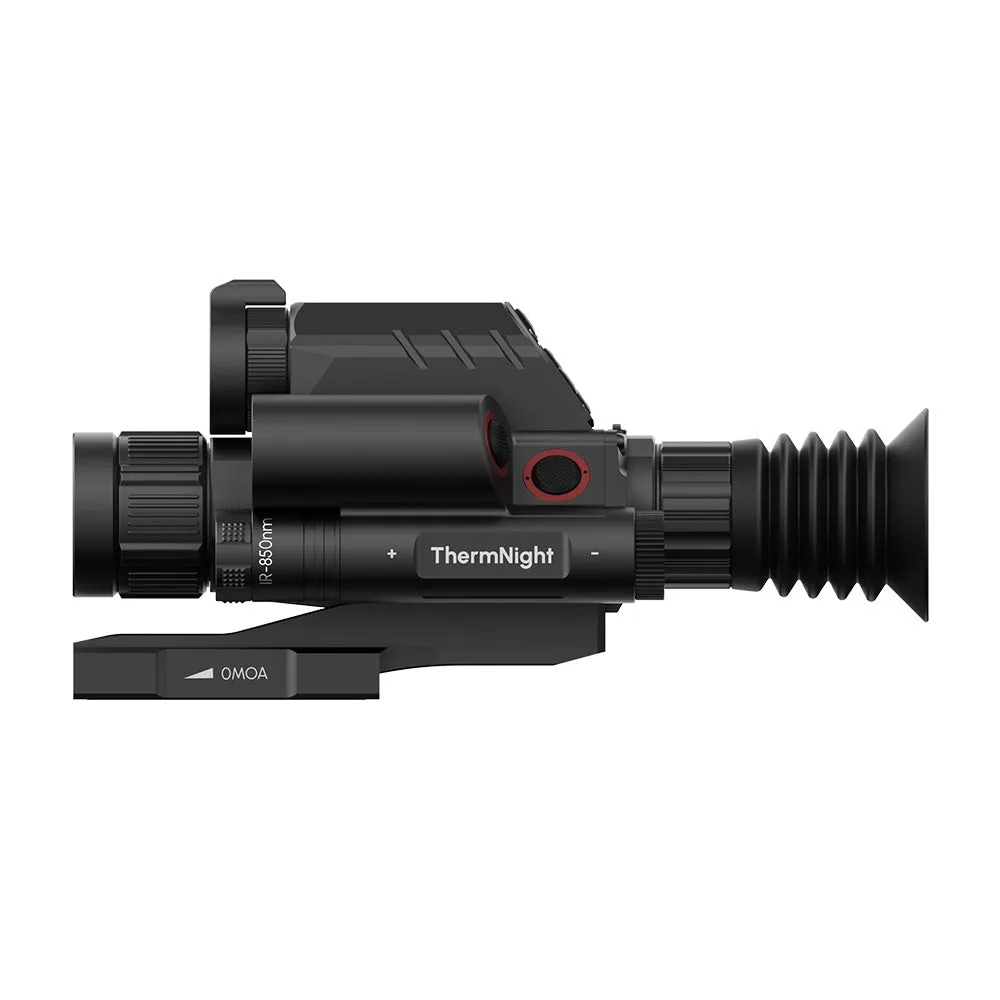
Once you’ve selected the optic, check eye relief from your natural shooting position and confirm that the mount height supports a comfortable cheek weld. Your builder can verify that the rail and rings match the rifle and optic interfaces and that the setup is stable. For more help comparing rifle scopes, compact thermal scopes, and thermal versus night vision, see our guides.
Plan the Budget Around the Complete Build
A custom rifle budget may include the action, barrel, stock or chassis, trigger, gunsmithing, optic, mount, and any compatible accessories. Labor and the complexity of the work may also affect the total. Ask for an estimate that distinguishes the rifle components from the optic and mounting system, and clarify what is included.
Spend where the choices most affect fit, reliability, and the job you described. You may be able to save by keeping the configuration simple or choosing features you will actually use. A premium feature is not automatically a better fit for every hunt.
For optics, AnyTime Optics offers budget-friendly options starting around $599, along with a day scope with night vision around $400. Premium thermal and fused units may reach approximately $2,843, with current models and prices varying by configuration and listing. If you are looking for a budget thermal scope, compare the whole system (features, mounting, and intended use) not just the starting price. We primarily showcase our products at gun shows, where customers can get a closer look at the optics. For current options, browse our products and INFITAC lineup.
Questions to Ask Your Builder
Before you approve a project, consider asking:
- How will my intended terrain and hunting conditions shape the proposed setup?
- What are the tradeoffs in cartridge, barrel length, contour, and twist for my use?
- How will the stock or chassis fit me, and how will the finished rifle carry?
- Which optic and mount height should I consider for eye relief and cheek weld?
- What is included in the estimate, and what could change the final cost?
- How will you determine whether the proposed work is gunsmithing or manufacturing?
- If NFA items are involved, what additional qualifications and approvals may apply?
Your builder should be able to discuss options and explain how the choices work together. You remain responsible for confirming that the final firearm and its use comply with laws and hunting rules that apply to you. For questions about AnyTime Optics’ customization capability or product fit, contact our team.