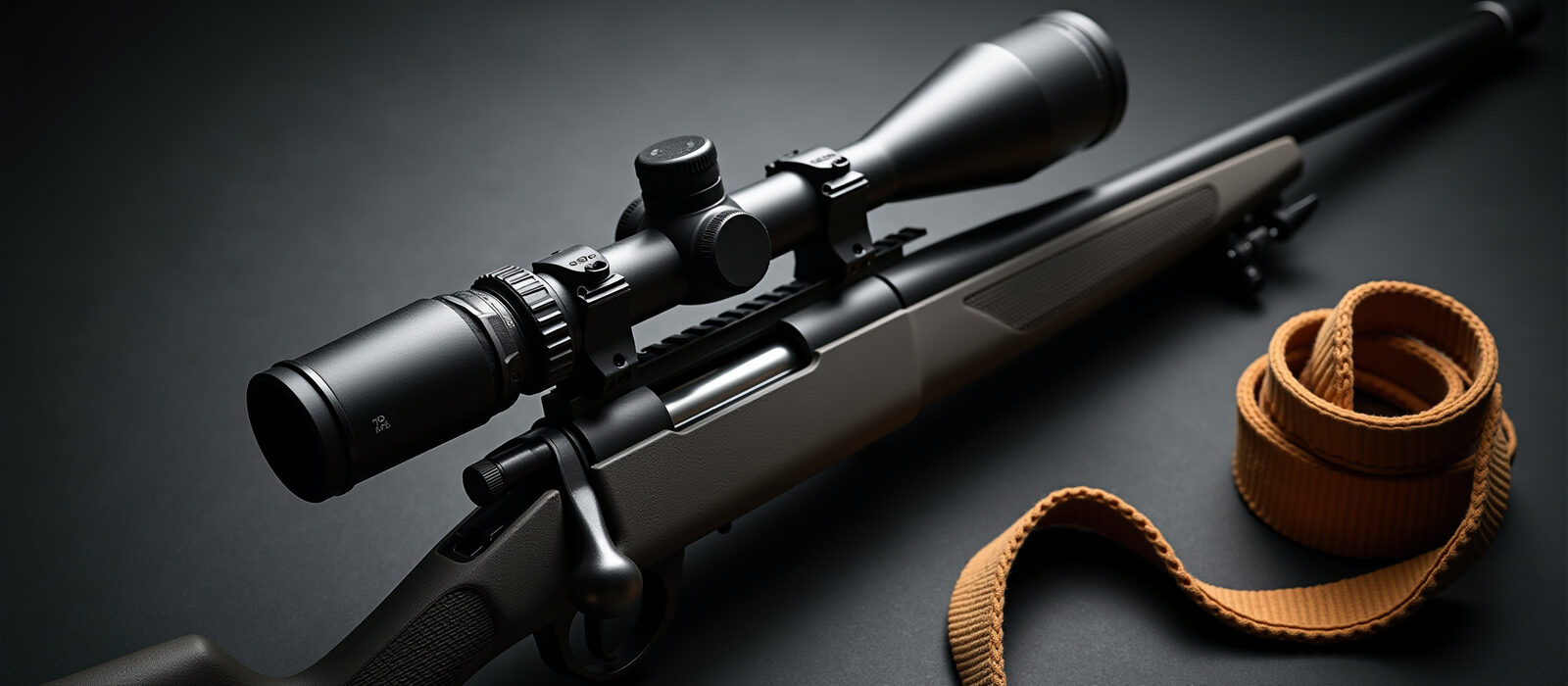
Rifle Optics Setup for Brush and Woods Deer Hunting: What Works When Shots Are Close

Legal disclaimer: This article provides only general and high-level explanations for educational purposes. It is not legal advice, and you should not rely on it to determine whether a firearm, optic, hunting method, season, or shot is lawful where you hunt. Rules can vary by jurisdiction and change over time. You are responsible for confirming current requirements with the relevant wildlife agency and, when needed, seeking professional legal counsel about your specific circumstances.
Late October can change the feel of a deer hunt quickly. As the rut approaches, a buck may slip through a narrow opening, pause behind a screen of brush, or appear in a lane for only a few moments. In that kind of cover, your rifle optics setup should help you see a clear sight picture without tempting you to rush identification or the shot.
Generally speaking, close-woods hunting calls for a wide view, an easy-to-see aiming point, and equipment you can handle comfortably from your usual position. Having said that, no optic can make an obstructed target safe or extend legal shooting hours.

Start with the view, not the maximum magnification
If you hunt short lanes or move through thick cover, a low-power setting can make it easier to find and keep track of what is in your field of view. A variable-power day scope in a modest range, such as a 1–6x or 2–7x class, may suit that style of hunting. If you watch a more open clearing from a stand, a scope that reaches somewhat higher may offer useful flexibility.
The key is not a particular number on the magnification ring. It is whether you can quickly find the whole scene at the low end, then see enough detail for your intended conditions. Starting at high magnification can narrow your view and make a deer harder to locate when it appears unexpectedly.
A compact objective lens can keep a rifle setup manageable in brush, while good glass and a clear sight picture matter more than simply choosing the largest objective or the highest magnification. For a broader overview of features to compare, see AnyTime Optics’ rifle scope buyer’s guide.
Choose a reticle you can read in timber
Dark trunks, tangled branches, and patchy light can make a very fine reticle hard to pick out. A straightforward duplex or similarly uncluttered reticle may be easier to read quickly than a complex long-range pattern when your usual shots are close.
Illumination can help you distinguish the aiming point in dim conditions, but more brightness is not always better. If the reticle looks glaring or distracts from the view, the setting may be too bright for that scene. Test the reticle in conditions resembling your hunting light, rather than assuming a bright setting will work well at dawn or dusk.

Check fit and handling before the season
A scope that is uncomfortable to look through can slow you down when a short window opens. From the positions you actually use (such as seated, standing, or supported) check that you can see a full, clear image without straining or moving your head unnaturally. Eye relief, mounting height, rifle balance, and whether controls snag on clothing or brush can all affect handling.
Having said that, fit is personal and may depend on the rifle, stock, optic, and how you carry the firearm. If you are unsure whether an optic is mounted or positioned appropriately, a qualified gunsmith can assess your specific setup. Practice should also happen in a controlled, lawful setting, with your attention on safe firearm handling and confirming your equipment functions as intended.
For close cover, simple controls can be an advantage. You may not need a complicated reticle system or many adjustments if your normal hunting opportunities are at modest distances. Your setup should match your terrain and experience, not someone else’s maximum-range configuration, and much, much more.
Keep identification and the shot window separate
An optic can help you see detail, but it cannot replace a clear view of the animal and what lies beyond it. Brush can hide parts of a deer, other animals, people, or background hazards. If you cannot confidently identify the target and assess the area beyond it, the opening is not a safe opportunity.
A short window can create pressure to act quickly. Consider the view, the animal’s position, the backdrop, and whether the shot is unobstructed before making any decision. Do not treat a flash of movement, sound, antlers, or a partly hidden shape as enough information. If the view is unclear, letting the moment pass is part of responsible hunting.
State hunter-education guidance emphasizes identifying the target and being aware of what is in front of and beyond it. You can review general firearm-safety material from the New York State Department of Environmental Conservation. The laws and guidance that apply to you may differ, so consult your own jurisdiction’s current sources, and seek professional legal counsel if you need legal advice.
Treat low light and specialized optics with care
A visible reticle does not mean you can still identify a deer well enough to hunt safely or lawfully. Your ability to recognize the animal, its position, and the surrounding area may change as light fades. Confirm the legal shooting hours and stop when you can no longer make a reliable identification, even if the scope image still seems usable.
Thermal and night-vision devices can also be subject to specific rules. Those rules may depend on the state, species, season, time, and device. For example, Wisconsin’s Department of Natural Resources provides state-specific guidance on lights and illuminating devices, including thermal and night-vision equipment. That guidance is not a nationwide rule. Check current official regulations for your exact location and intended use before taking any device into the field.
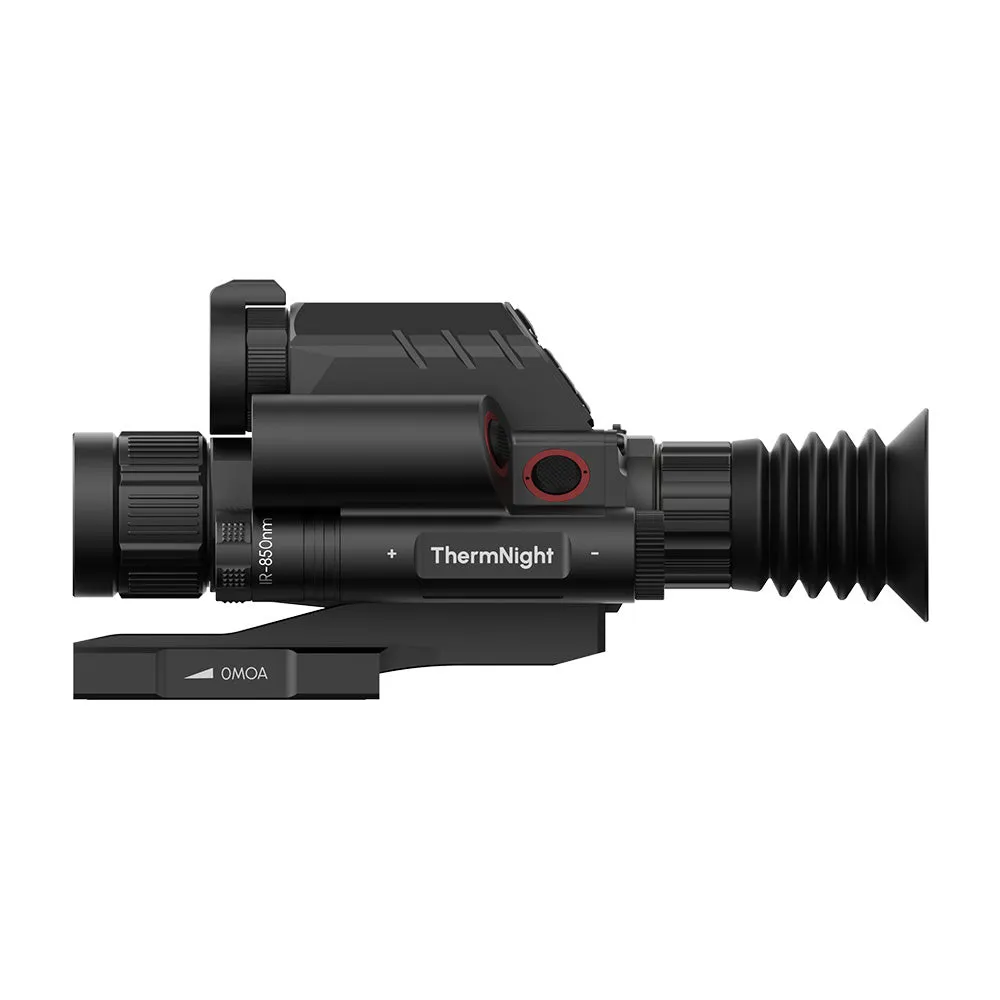
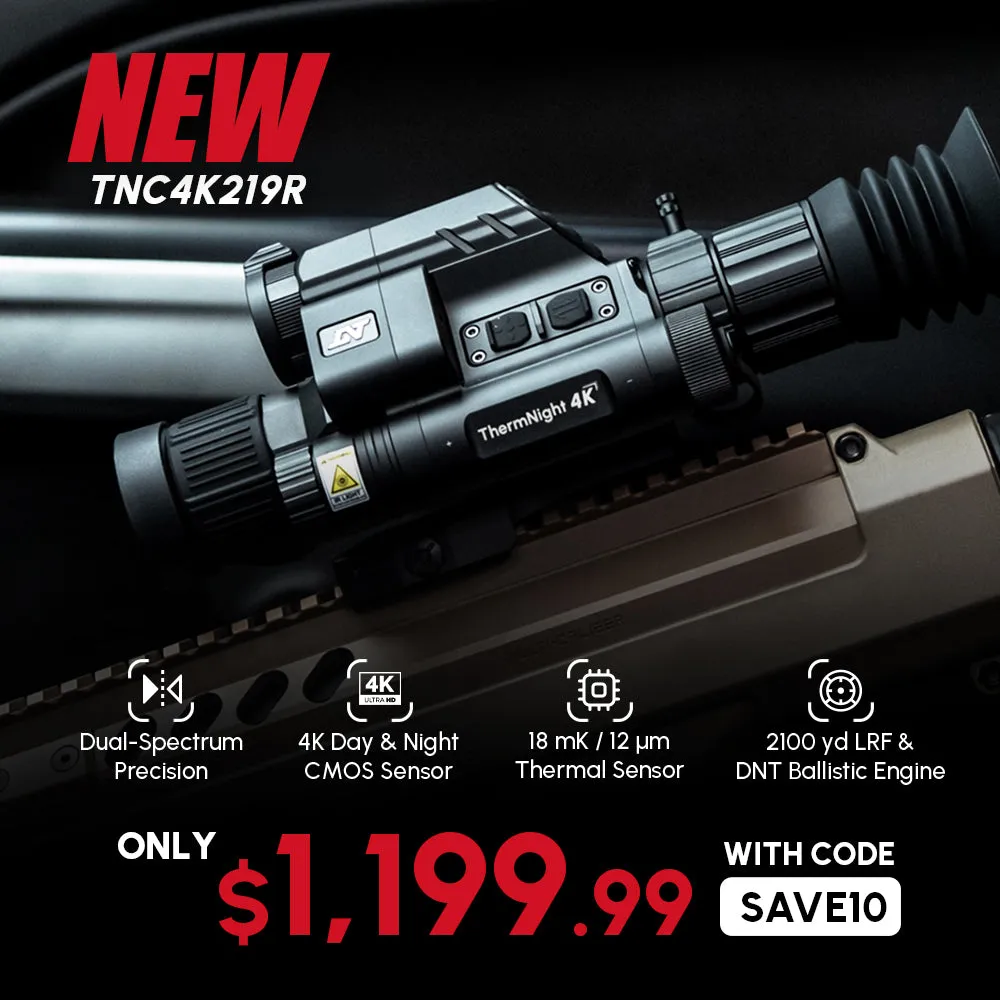
AnyTime Optics carries specialized products such as the DNT Optics ThermNight TNC225R and TNC4K219R, which combine thermal and digital night-vision capabilities. These are not a blanket recommendation for deer hunting: confirm that any optic is legal for your specific hunt, and remember that technology does not replace positive identification, a safe backstop, or legal shooting hours.
A practical checklist for close-cover rifle optics
Before heading into the woods, consider whether your setup:
- Gives you a wide, comfortable view at its low-power setting.
- Has a reticle you can distinguish against dark timber without distracting brightness.
- Fits your rifle and normal shooting positions comfortably.
- Has controls that are straightforward to operate and unlikely to snag.
- Allows you to see the target and its surroundings clearly enough to make a responsible decision.
- Complies with current hunting and equipment rules where you plan to hunt.
Generally speaking, a simple, well-fitted day scope may be a sensible starting point for legal-hours deer hunting in thick cover. If you are comparing traditional and specialized options, browse the current AnyTime Optics lineup and contact the team with questions about product features. Product availability and pricing may change.
The best rifle optics setup for your woods is the one that suits your terrain, gives you a clear view, and supports careful decisions when the moment is brief. Keep the setup familiar, check the rules, and let safety, not the length of the opening, set your pace, and much, much more.