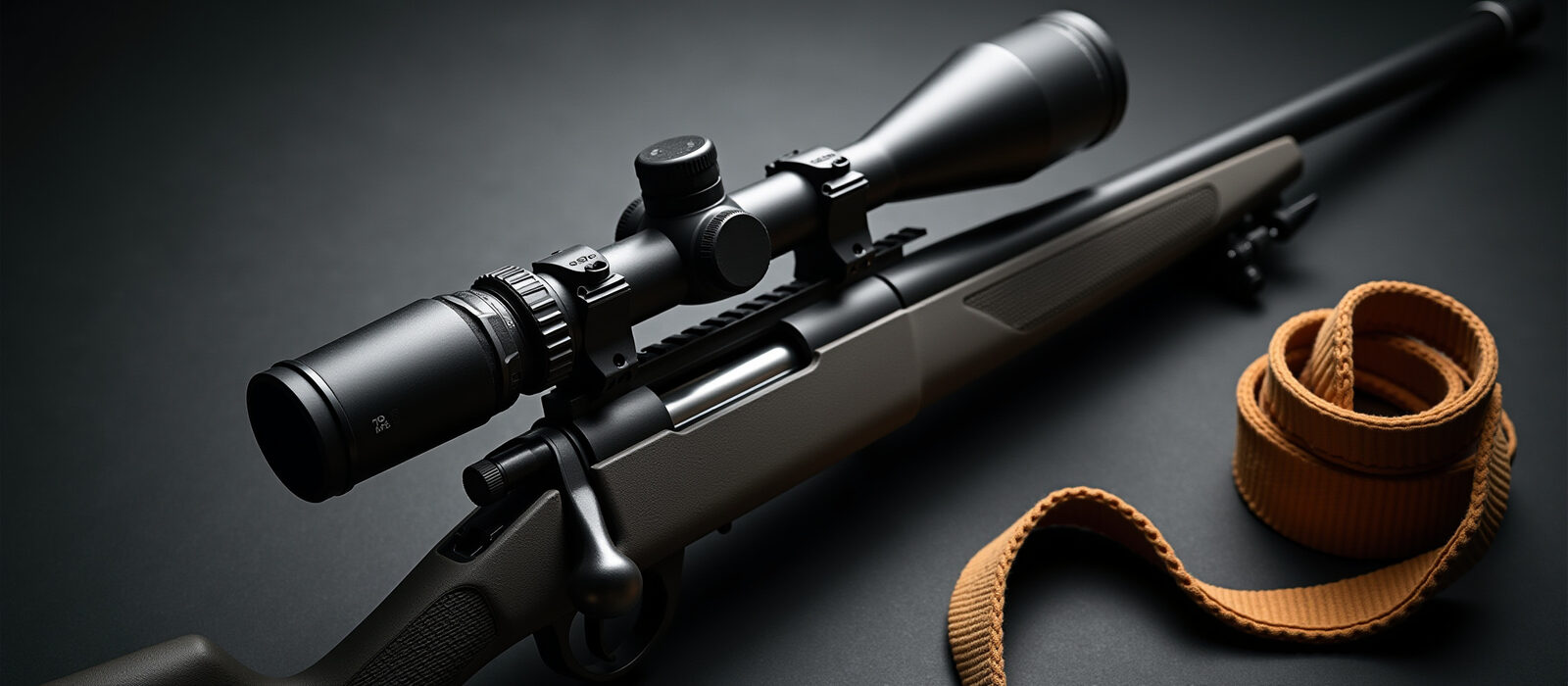
Thermal Scope 101: A Beginner’s Guide to Mastering Night Vision Hunting This Season
Legal disclaimer: This article provides only general and high-level explanations for educational purposes. It is not legal advice, hunting advice, firearms training, or a recommendation that any particular optic is lawful or suitable for your circumstances. Laws governing night hunting, thermal imaging, digital night vision, infrared illumination, firearm use, and specific game species may vary by state, locality, season, and land type. You should not rely on this content as legal advice. Always verify current requirements with the appropriate wildlife agency and seek professional legal counsel when you need advice about your specific situation.
Whether you are preparing for your first nighttime hunt or simply trying to understand today’s hunting optics, choosing between a thermal scope and a night vision scope can feel complicated. Both technologies may help you see after dark, but they create images in different ways and may suit very different hunting conditions.
Having said that, you do not need to understand every technical specification before you begin. You generally need to answer a few practical questions: What do you hunt? How far do you typically observe? How much ambient light is available? What terrain do you use? And what does your local law allow?
This beginner’s guide explains the basic differences between thermal imaging and digital night vision, then walks through the selection considerations that may help you compare modern hunting optics more confidently.
Thermal Imaging and Digital Night Vision Explained
What thermal imaging does
Thermal imaging detects differences in infrared energy, which is commonly associated with heat, and converts those differences into a display image. In simple terms, a thermal optic may show a warm animal as a contrasting shape against cooler surroundings.
Because thermal imaging does not depend on visible light, it may continue to provide a useful view in complete darkness. It may also help you notice heat contrast through some light vegetation, haze, or changing weather conditions, although performance can vary considerably.
Thermal is often most useful when your first challenge is detection: finding a living subject in a large field, wooded edge, or other dark environment.
What digital night vision does
Digital night vision (DNV) uses a camera sensor and electronic display to brighten a low-light scene. Depending on the device and conditions, it may use moonlight, starlight, nearby ambient lighting, or an infrared illuminator (IR illuminator) to create a visible image.
A digital night vision scope may provide a more familiar-looking view of the scene. You may see additional terrain detail, branches, fences, and other objects that do not necessarily produce a strong heat signature. However, digital night vision generally depends more on available light or infrared support than thermal imaging does.
The practical distinction is straightforward: thermal may help you locate heat contrast, while digital night vision may help you interpret visible scene detail.
This is a high-level explanation only, and you should not rely on it as legal or technical advice for your specific equipment or hunting setup.
Which Technology May Fit Your Hunting Conditions?
Rather than repeating a basic thermal-versus-night-vision comparison, it may be more useful to consider how each technology fits your actual situation.
Consider thermal when detection is your priority
Thermal hunting optics may be a strong fit when you frequently scan open areas, fields, pasture edges, or mixed terrain after dark. The display may make warm subjects stand out more clearly than a conventional low-light image would.
Thermal may also be useful when ambient light changes throughout the night. You generally do not need to wait for moonlight or rely on an IR illuminator to create heat contrast.
Still, a thermal image is not the same as a normal-color image. A bright shape on the display does not automatically tell you the species, size, background, or legal status of the subject. You remain responsible for positive identification and safe decision-making.
Consider digital night vision when scene detail matters
A digital night vision scope may suit you if you value a more recognizable view of the terrain and expect at least some ambient light. Digital systems may also offer features such as video recording, electronic magnification, multiple viewing modes, and daytime operation.
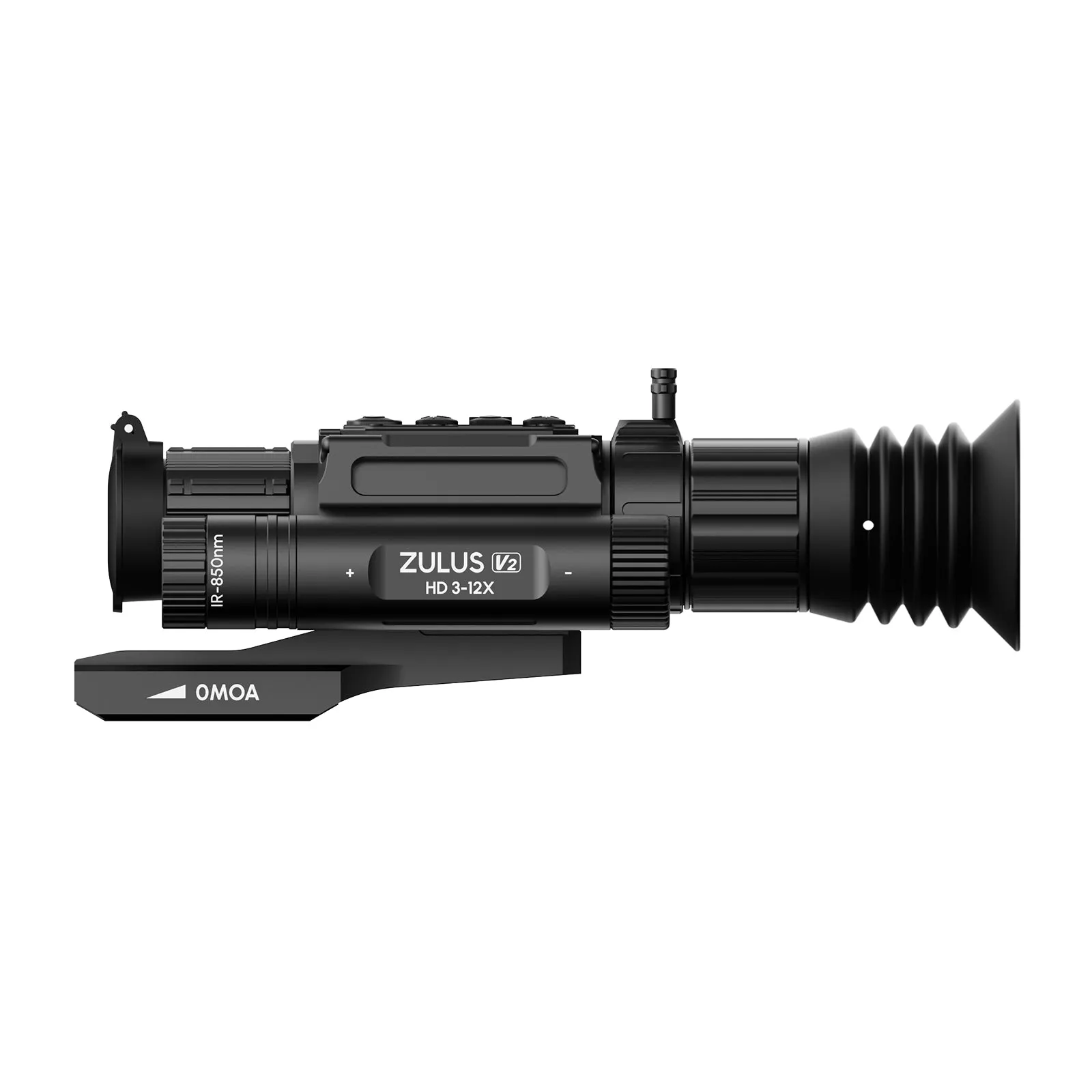
For some hunters, a digital night vision scope may be an approachable entry point because it can provide day-and-night versatility in one device. The current DNT Optics ZULUS HD lineup, for example, includes digital night vision scopes designed for extending your sightline after daylight.
However, digital night vision performance may decline in very dark conditions, heavy haze, or situations where the available light is limited. Any IR illumination must also be used only where lawful and appropriate.
Legal reminder: The information in this section is only general and high-level educational information. You should not rely on it as legal advice. Confirm whether digital night vision, thermal equipment, or IR illumination may be used for your target species and location, and seek professional legal counsel for specific legal questions.
Five Practical Selection Considerations
1. Start with your typical distance
Your expected observation distance may influence sensor resolution, lens selection, magnification, and field of view.
A wider field of view may make scanning easier at shorter distances, while a narrower field of view and greater magnification may help you examine distant subjects. More magnification is not automatically better, however, because it may make moving subjects harder to locate and may reduce the amount of terrain visible on the display.
You should compare the optic to the distances you actually use rather than choosing specifications based only on their largest numbers.
2. Match the optic to your terrain
Open fields and long sightlines may place more emphasis on detection range and lens choice. Dense timber, brush, uneven ground, and fence lines may place more emphasis on field of view, image clarity, controls, and awareness of obstacles.
Compact hunting optics may be helpful when you need to manage weight, mounting space, or movement through uneven terrain. The AnyTime Optics compact thermal scope guide explains why footprint, sensor, lens, controls, power, and mounting flexibility should be considered together.
Remember that a smaller optic is not automatically the best optic. You generally want the smallest system that still provides enough information for your expected conditions.
3. Look beyond headline resolution
Resolution matters, but it is only one part of the viewing experience. You may also want to compare:
- Lens size and focal length
- Field of view
- Refresh rate
- Display quality
- Focus controls
- Image palettes or viewing modes
- Battery life and battery access
- Mounting height and compatibility
- Eye relief and viewing comfort
- Recording and connectivity features
An optic with understandable controls may be easier for you to use consistently than a more complicated system with features you do not need. You should review the complete setup, including the mount, batteries, accessories, and carrying requirements.
4. Decide whether you need one tool or multiple tools
Some hunters prefer a dedicated thermal scope for detection. Others may use a handheld thermal monocular for scanning and a separate optic for viewing or aiming. A digital night vision device may provide another way to examine terrain and confirm visible details.
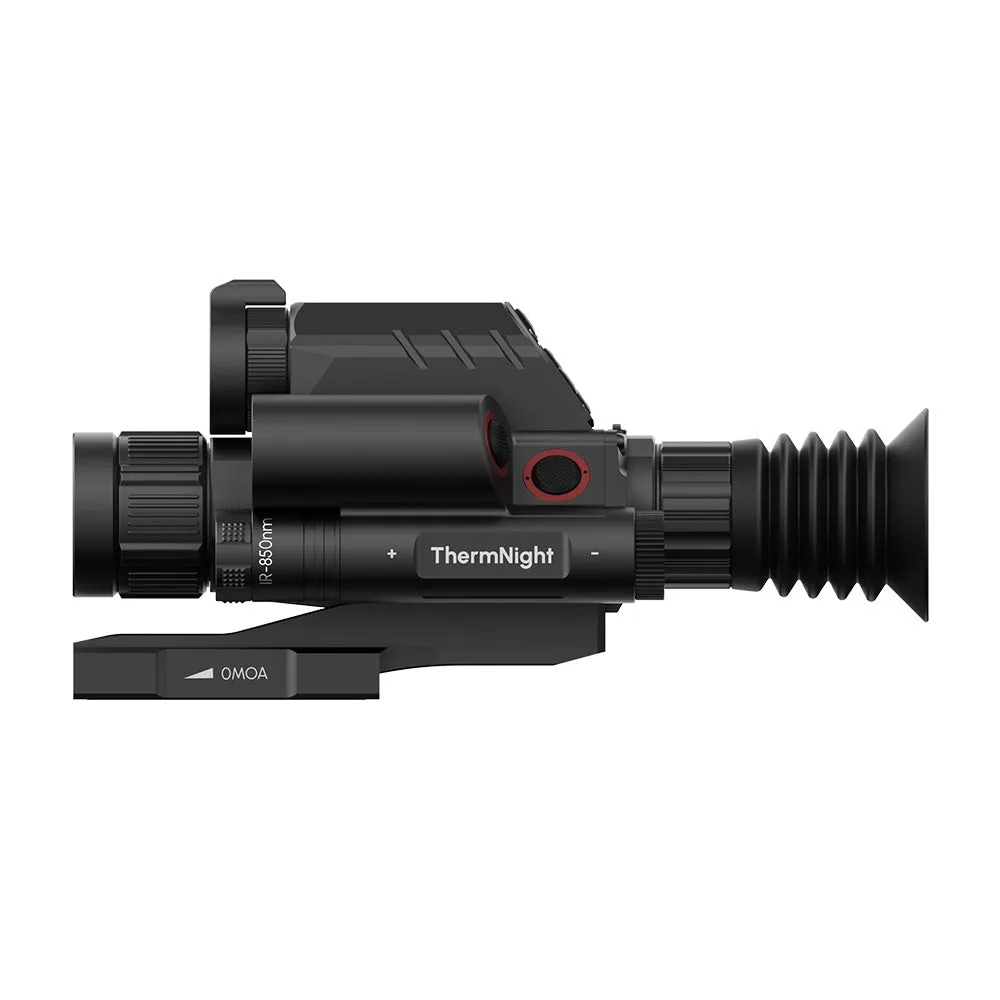
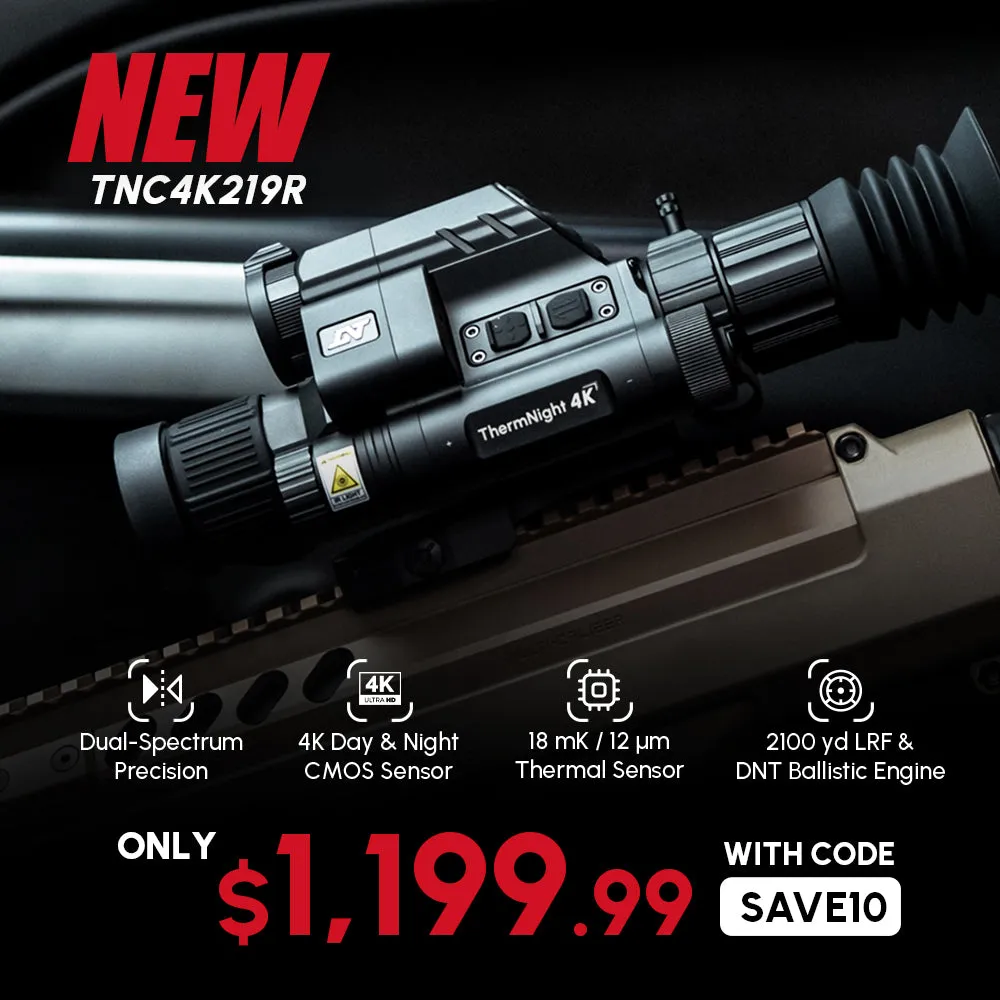
A fused thermal and night vision optic combines both viewing methods in one system. The DNT Optics ThermNight lineup includes models with thermal and digital night vision functions, while selected units also include an integrated laser rangefinder (LRF) and ballistic calculator.
A combined system may offer flexibility, but it may also bring additional controls, cost, weight, and training requirements. Generally speaking, more features are useful only when they fit your actual needs.
5. Set a complete-system budget
Your budget should account for more than the optic itself. You may also need a compatible mount, batteries, protective equipment, training time, and other accessories.
AnyTime Optics offers options across several categories, including compact thermal systems, digital night vision scopes, handheld thermal devices, and fused optics. You can review the current DNT Optics product lineup for live product details and approximate pricing, which may change over time.
A lower-cost digital night vision scope may be a reasonable starting point if you mainly need low-light visibility and daytime versatility. A thermal or fused system may be worth considering when heat-based detection, changing conditions, or additional functionality are central to your use.
Responsible Night Hunting Starts with Identification
Technology should support responsible judgment, not replace it.
Thermal imaging may make an animal easier to detect, but a heat signature alone may not provide enough information for a lawful and ethical decision. Digital night vision may show more visible detail, but darkness, distance, weather, and image quality can still make identification difficult.
Before using any night vision scope or thermal optic, you should understand:
- Whether nighttime hunting is lawful where you plan to hunt
- Whether your target species may legally be hunted after dark
- Whether thermal, digital night vision, or IR illumination is restricted
- Whether private-land permission and local ordinances apply
- How to identify the subject and confirm the background
- How to maintain awareness of roads, homes, livestock, and other people
You should never rely on a device to identify an unknown target for you. You remain responsible for following applicable rules, confirming the subject, and making safe decisions. This article is only a general and high-level explanation, not legal advice, firearms instruction, or a substitute for professional legal counsel.
A Beginner’s Buying Checklist
Before you compare specific hunting optics, write down your answers to these questions:
- What species and terrain are relevant to your use?
- What are your normal observation distances?
- Do you need detection, visible scene detail, or both?
- Will you use the optic during the day as well as at night?
- How much ambient light is usually available?
- Do you need a handheld, scope, clip-on, or fused format?
- How much weight and complexity are you comfortable carrying?
- What is your complete setup budget?
- What do your current local laws and regulations allow?
If you are still deciding, you can also review AnyTime Optics’ guide to choosing a rifle scope or contact the AnyTime Optics team with your intended conditions, platform, and budget.
Final Thoughts
The best hunting optics choice is generally the one that matches your environment, viewing needs, budget, and legal responsibilities.
Thermal imaging may help you find heat contrast in darkness, while a digital night vision scope may provide a more familiar view of terrain and visible detail. Fused systems may offer both approaches, but they may also require more investment and practice.
Take time to compare the complete system rather than focusing on one specification. Confirm current laws before you buy or use any equipment, and remember that this article contains only general and high-level educational information. You should not rely on it as legal advice; for questions about your circumstances, consult the appropriate wildlife agency and seek professional legal counsel.
With the right expectations, careful preparation, and responsible habits, you can make a more informed decision about thermal scopes, night vision scopes, hunting optics, and much, much more.