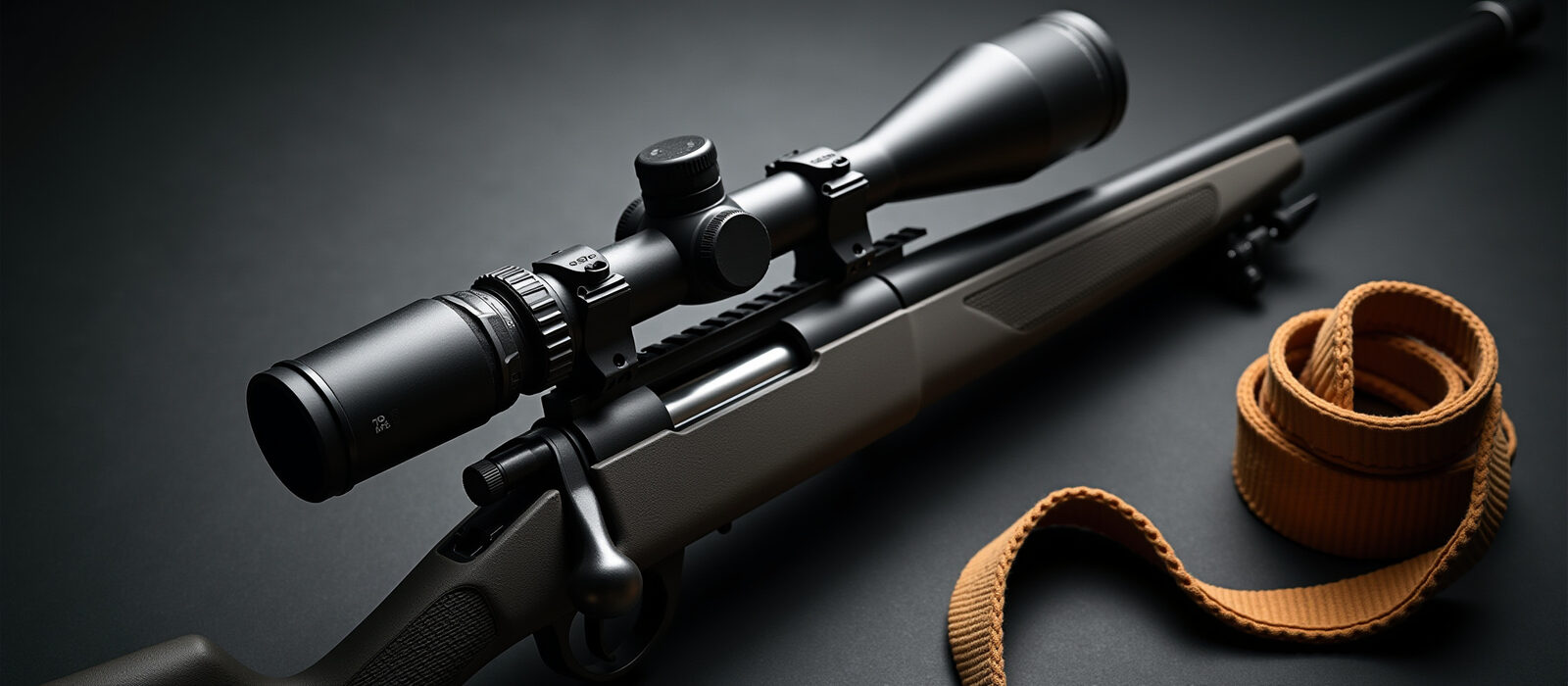
Start with the picture
Two ways to see after dark.
Thermal imaging and night vision are not interchangeable labels. They answer different questions, so comparing the viewing method is more useful than comparing the words “night” or “low light.”
01
Thermal imaging
A thermal optic detects differences in infrared energy and turns those differences into an image. That makes temperature contrast the starting point for the view, rather than visible color or ordinary room light.
Useful when: you want to notice heat contrast, scan changing terrain, or keep a view that is not dependent on visible-light detail alone.
02
Night vision
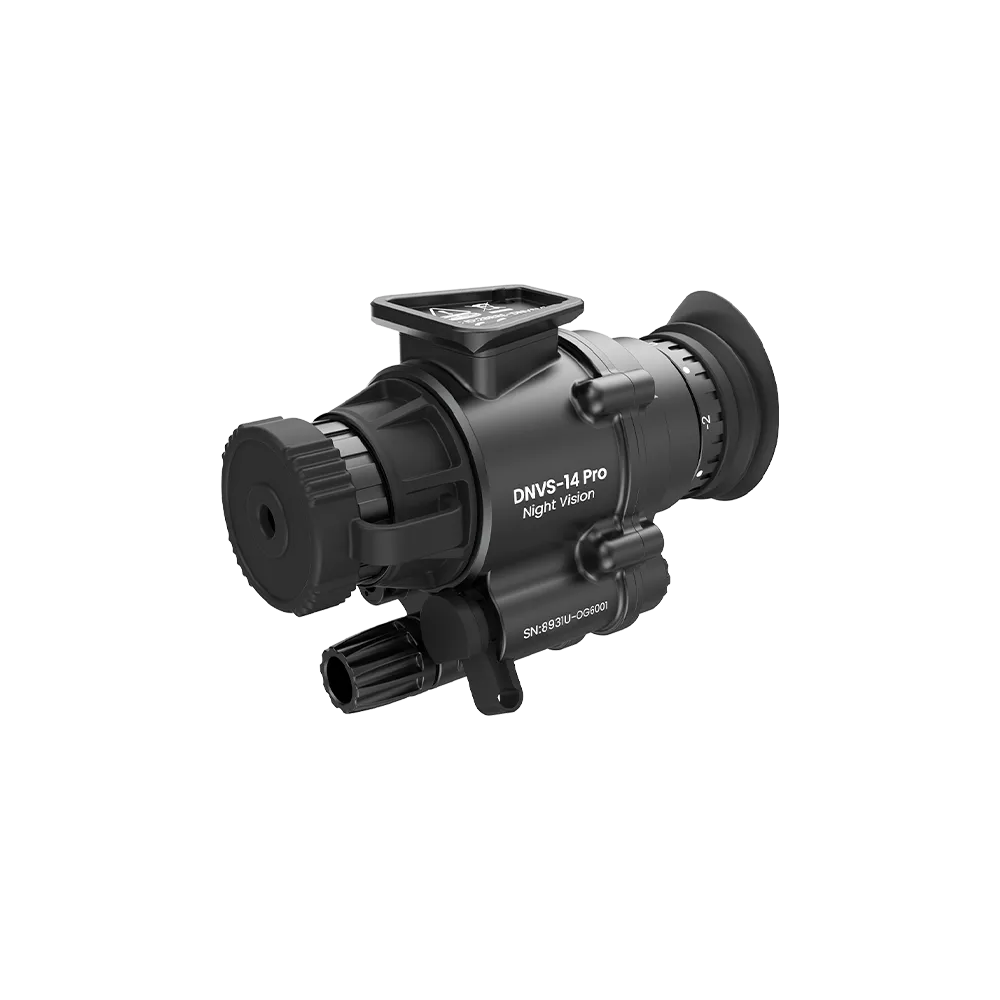
Night vision builds an image from available light. Digital systems use a sensor and display; some setups can also use infrared illumination to add light when the scene is very dark.
Useful when: you want a more familiar scene view, need to preserve visible-light detail, or expect some ambient light to work with.
Which one fits your use?
Choose thermal when contrast matters
Thermal can be a strong fit when the important distinction is a temperature difference. Keep in mind that the display is a heat-contrast view, not a normal-color image.
Choose night vision for scene detail
Night vision can suit users who want a more recognizable view of the scene and expect usable ambient light or an infrared illuminator.
Choose fused when conditions change
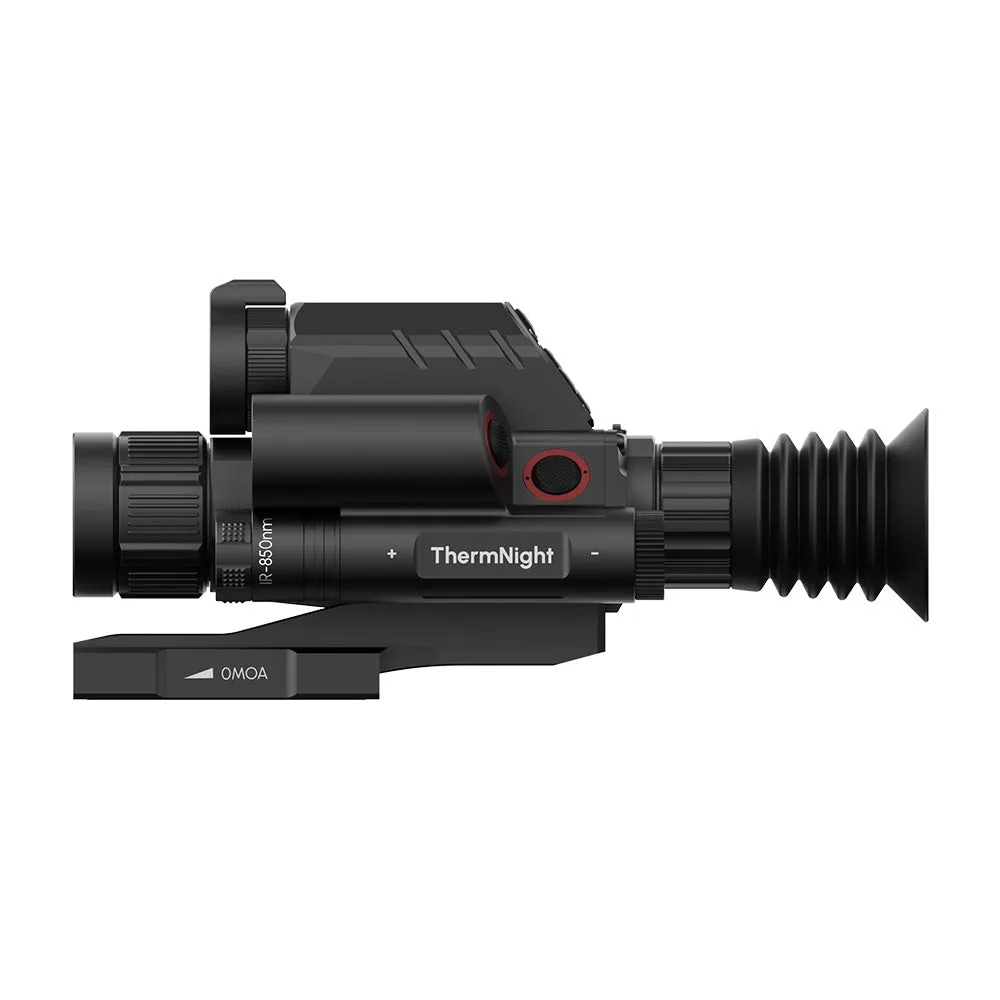
A fused system combines thermal and night vision in one optic. It can add flexibility, but also brings more controls and a different budget conversation.
Compare current products
DNT Optics lists both dedicated digital night vision and ThermNight fused systems. Infitac lists thermal sights as well as digital night vision goggles and a monocular, giving you multiple form factors to compare.